Health disparities represent a significant challenge in the United States, particularly within the African American community. These disparities are not merely statistical anomalies; they reflect deep-rooted inequalities that affect the quality of life and longevity of millions. Black health issues encompass a wide range of conditions, from chronic diseases such as diabetes and hypertension to maternal health complications and mental health challenges. Understanding these disparities is crucial for developing effective public health strategies that aim to bridge the gap in health outcomes.The factors contributing to health disparities among African Americans are multifaceted and interconnected.
They include socioeconomic status, access to quality healthcare, education, and environmental influences. For instance, many African Americans live in neighborhoods with limited access to fresh food, safe recreational spaces, and quality healthcare facilities. This lack of access can lead to higher rates of obesity, heart disease, and other preventable conditions. Furthermore, systemic issues such as racial discrimination in healthcare settings can exacerbate these disparities, leading to mistrust and reluctance to seek medical help.Moreover, cultural factors play a significant role in shaping health behaviors and attitudes within the African American community.
Traditional beliefs about health and wellness may influence how individuals perceive their symptoms and engage with healthcare providers. This cultural context is essential for understanding why certain health interventions may be more or less effective in this population. By addressing these unique challenges and recognizing the importance of culturally competent care, we can begin to dismantle the barriers that contribute to poor health outcomes.In summary, addressing health disparities in the African American community requires a comprehensive approach that considers the social determinants of health. It is imperative for policymakers, healthcare providers, and community leaders to work collaboratively to create equitable healthcare systems that prioritize the needs of all individuals, regardless of their racial or ethnic background.
Only through such concerted efforts can we hope to improve black health outcomes and ensure a healthier future for generations to come.
Historical Context of Health Disparities
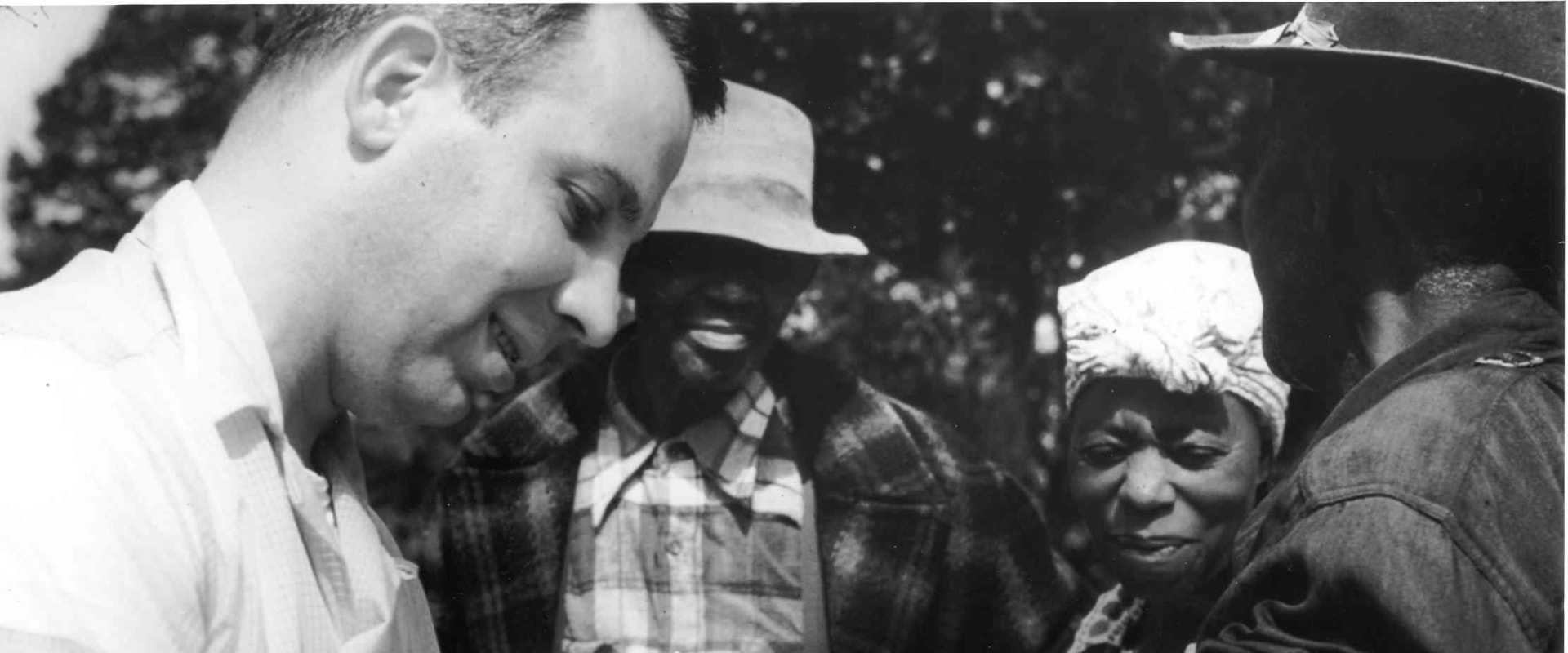
The historical context of health disparities among African Americans is deeply rooted in systemic racism and a legacy of injustices that have shaped the healthcare landscape in the United States. Understanding this history is crucial to addressing the ongoing health inequities faced by the African American community today.From the era of slavery, African Americans were subjected to inhumane treatment and denied basic human rights, including access to adequate healthcare. Slave owners often viewed their enslaved individuals as property rather than human beings, leading to a lack of medical care and neglect of their health needs. This disregard for the health of African Americans laid the groundwork for a long-standing pattern of inequity.Following the abolition of slavery, discriminatory practices continued to permeate the healthcare system.The establishment of segregated hospitals and clinics meant that African Americans often received inferior care compared to their white counterparts. This segregation was not merely a social construct; it was codified into law through Jim Crow laws, which enforced racial segregation in all public facilities, including healthcare.Moreover, the infamous Tuskegee Syphilis Study, conducted from 1932 to 1972, exemplifies the egregious violations of ethical standards in medical research involving African Americans. In this study, hundreds of black men with syphilis were misled and denied treatment to observe the disease's progression. This betrayal of trust has had lasting effects on the African American community's relationship with healthcare providers.Systemic racism has also influenced health outcomes through socioeconomic factors.
Historical disenfranchisement has resulted in limited access to quality education and employment opportunities for African Americans, contributing to higher rates of poverty. These socioeconomic disparities are closely linked to health outcomes, as individuals with lower income levels often face barriers to accessing healthcare services.Today, these historical injustices manifest in persistent health disparities. African Americans experience higher rates of chronic conditions such as diabetes, hypertension, and heart disease compared to their white counterparts. The cumulative effect of historical trauma and ongoing discrimination continues to impact mental and physical health within the community.Addressing these disparities requires acknowledging this historical context and implementing policies that promote equity in healthcare access and treatment.
By understanding the roots of these issues, we can work towards a more equitable healthcare system that serves all individuals fairly.
Current Statistics on Black Health Disparities
Health disparities among African Americans are a pressing issue that requires immediate attention. Current statistics reveal alarming trends in various health outcomes, highlighting the urgent need for targeted interventions.According to the Centers for Disease Control and Prevention (CDC) , African Americans face significantly higher mortality rates compared to their white counterparts. For instance, the mortality rate for African American men is approximately 50% higher than that of white men. This disparity is particularly evident in conditions such as heart disease, where African Americans are 30% more likely to die from heart-related issues.Chronic diseases also disproportionately affect the African American community.The prevalence of diabetes among African Americans is about 13.4%, compared to 7.4% in white populations. This stark difference underscores the need for improved access to preventive care and education regarding lifestyle choices that can mitigate these risks.Furthermore, mental health challenges are prevalent within this demographic. Studies indicate that African Americans are less likely to seek mental health services, with only 25% of those diagnosed with a mental illness receiving treatment. This gap can be attributed to various factors, including stigma, lack of culturally competent care, and socioeconomic barriers.The impact of these disparities extends beyond individual health outcomes; they also affect families and communities at large.
For example, African American children are disproportionately affected by asthma, with a mortality rate that is 500% higher than that of white children. This statistic not only highlights the urgent need for better healthcare access but also emphasizes the importance of addressing environmental factors that contribute to these health issues.In summary, the current statistics on black health disparities paint a concerning picture that necessitates immediate action. By focusing on improving healthcare access, enhancing community resources, and addressing social determinants of health, we can work towards closing the gap in health outcomes for African Americans.
Social Determinants of Health in the African American Community
The health of African Americans is significantly influenced by a range of social determinants that extend beyond individual choices and genetics. These determinants encompass various factors, including socioeconomic status , education, housing, and access to healthcare services, all of which play a crucial role in shaping health outcomes within the community.Socioeconomic Status
African Americans often face economic challenges that can adversely affect their health.
Lower income levels are associated with limited access to nutritious food, safe housing, and quality healthcare. According to the U. S. Census Bureau, African American households have a median income significantly lower than that of white households.
This economic disparity contributes to higher rates of chronic diseases such as diabetes and hypertension.
Education
Education is another critical determinant of health. Studies show that individuals with higher educational attainment tend to have better health outcomes. Unfortunately, African Americans often encounter barriers to quality education, including underfunded schools and systemic inequalities. This lack of access to quality education can limit job opportunities and perpetuate cycles of poverty, further impacting health.
Housing
The quality of housing also plays a vital role in health.
Many African Americans live in neighborhoods with substandard housing conditions, which can lead to health issues such as asthma and lead poisoning. Additionally, neighborhoods with limited access to green spaces and recreational facilities can hinder physical activity, contributing to obesity and related health problems.
Access to Healthcare Services
Access to healthcare is a fundamental aspect of health equity. Despite improvements in healthcare access through initiatives like the Affordable Care Act, many African Americans still face barriers such as lack of insurance, transportation issues, and discrimination within healthcare settings. A survey indicated that a significant percentage of African Americans prefer to see black healthcare providers, believing they will receive more culturally competent care.Addressing these social determinants is essential for improving health outcomes in the African American community.
By focusing on enhancing socioeconomic conditions, educational opportunities, housing quality, and equitable access to healthcare services, we can work towards reducing the disparities that currently exist.
Impact of Environmental Factors on Black Health
The health of African Americans is significantly influenced by environmental factors, which often exacerbate existing health disparities. These factors include pollution, access to green spaces, and neighborhood safety, all of which play a crucial role in determining health outcomes.Pollution and Health Disparities
Many African American communities are situated near industrial sites, highways, and other sources of pollution. This proximity increases exposure to harmful pollutants, such as particulate matter and toxic chemicals, which can lead to respiratory issues, cardiovascular diseases, and other chronic health conditions. Studies have shown that African Americans are more likely to live in areas with higher levels of air pollution compared to their white counterparts.
For instance, a report from the American Lung Association highlights that Black individuals are disproportionately affected by asthma and other respiratory ailments due to environmental toxins.
Access to Green Spaces
Access to parks and green spaces is another critical environmental factor impacting health. Green spaces provide not only recreational opportunities but also contribute to mental well-being and physical health. Unfortunately, many African American neighborhoods lack adequate access to these areas. Research indicates that limited access to parks can lead to lower levels of physical activity, contributing to obesity and related health issues.
Furthermore, the absence of green spaces can negatively affect mental health, increasing stress levels and reducing overall quality of life.
Neighborhood Safety
Neighborhood safety is a vital component of health that is often overlooked. High crime rates can lead to increased stress and anxiety among residents, which can have detrimental effects on both mental and physical health. African Americans living in unsafe neighborhoods may avoid outdoor activities due to fear of violence, further limiting their opportunities for exercise and social interaction. This cycle of fear and inactivity can contribute to a range of health problems, including obesity, depression, and anxiety disorders.Addressing these environmental factors is essential for improving the overall health of African American communities.
Initiatives aimed at reducing pollution, increasing access to green spaces, and enhancing neighborhood safety can significantly mitigate health disparities. By fostering healthier environments, we can create a foundation for better health outcomes among African Americans.
Cultural Influences on Health Behaviors and Outcomes
The health behaviors and outcomes of African Americans are significantly shaped by cultural beliefs and practices. Understanding these influences is crucial for healthcare providers aiming to deliver effective and equitable care. Cultural norms, values, and traditions play a pivotal role in how health is perceived and managed within the black community.One of the primary cultural influences on health behaviors is the strong emphasis on family and community.In many African American households, health decisions are often made collectively, with family members playing a vital role in supporting one another. This communal approach can lead to both positive and negative health outcomes. For instance, while family support can encourage healthy behaviors, it may also perpetuate unhealthy practices if those are normalized within the community.Moreover, traditional beliefs about health and illness can impact how African Americans engage with healthcare systems. Some individuals may prefer home remedies or alternative treatments over conventional medicine due to mistrust of healthcare providers or past experiences of discrimination.
This skepticism can hinder access to necessary medical care, leading to delayed diagnoses and poorer health outcomes.Another significant factor is the influence of cultural identity on health behaviors. Many African Americans take pride in their heritage, which can foster resilience and a sense of belonging. However, this cultural pride can also lead to resistance against certain health interventions perceived as culturally insensitive or irrelevant. For example, dietary recommendations that do not consider traditional foods may be less effective if they do not resonate with the community's culinary practices.To address these challenges, healthcare providers must prioritize cultural competence.
This involves understanding and respecting the cultural backgrounds of patients while integrating this knowledge into care delivery. Culturally competent care can enhance communication, build trust, and ultimately improve health outcomes for African Americans.Incorporating cultural competence into healthcare practices includes:
- Training healthcare professionals in cultural awareness to recognize their biases and understand the cultural contexts of their patients.
- Engaging with community leaders to foster trust and collaboration between healthcare systems and the black community.
- Adapting health education materials to reflect cultural values and languages that resonate with African American patients.
- Encouraging patient feedback on healthcare experiences to continuously improve service delivery.
Barriers to Accessing Quality Healthcare
Accessing quality healthcare is a significant challenge for many African Americans, and this issue is compounded by a variety of barriers that can hinder their ability to receive necessary medical attention. Understanding these barriers is crucial for addressing the health disparities that exist within this community.Insurance Coverage Disparities
One of the primary obstacles to accessing quality healthcare for African Americans is the disparity in health insurance coverage. According to recent studies, African Americans are more likely to be uninsured compared to their white counterparts.
This lack of insurance not only limits access to routine check-ups and preventive care but also increases the likelihood of delaying treatment for serious health conditions. The Affordable Care Act made strides in improving coverage, yet many African Americans still face challenges in obtaining affordable insurance plans that meet their needs.
Transportation Challenges
Transportation is another critical barrier that affects healthcare access. Many African American communities are located in areas with limited public transportation options, making it difficult for individuals to reach healthcare facilities. This issue is particularly pronounced in rural areas, where healthcare providers may be few and far between.
Without reliable transportation, patients may miss appointments or avoid seeking care altogether, exacerbating existing health issues.
Discrimination within Healthcare Systems
Experiences of discrimination within healthcare settings can also deter African Americans from seeking care. Studies have shown that many individuals report feeling marginalized or disrespected by healthcare providers due to their race. This can lead to a lack of trust in the healthcare system, causing patients to avoid necessary medical visits or fail to disclose important health information. The perception of bias can create a cycle of mistrust that further perpetuates health disparities.
Socioeconomic Factors
Socioeconomic status plays a significant role in healthcare access as well.
Many African Americans live in low-income neighborhoods where access to quality healthcare facilities is limited. Economic constraints can prevent individuals from affording out-of-pocket expenses associated with medical care, such as co-pays and medications. Additionally, those with lower socioeconomic status may prioritize immediate financial needs over long-term health concerns, leading to neglect of preventive care.Addressing these barriers requires a multifaceted approach that includes policy changes aimed at expanding insurance coverage, improving transportation options, and fostering an inclusive environment within healthcare systems. By recognizing and tackling these challenges head-on, we can work towards achieving equitable healthcare access for all individuals, regardless of race or socioeconomic status.
Community Initiatives Addressing Health Disparities
Addressing health disparities within the African American community requires a multifaceted approach, and numerous community initiatives have emerged to tackle these challenges effectively.These programs not only aim to improve health outcomes but also empower individuals through education, access to resources, and community engagement.One notable initiative is the Black Health Initiative , which focuses on increasing awareness of chronic diseases prevalent in the African American population, such as diabetes and hypertension. This program offers free health screenings, nutritional workshops, and fitness classes tailored to the needs of the community. By providing accessible resources and education, the initiative has successfully reduced the incidence of these diseases among participants.Another impactful program is the Community Health Worker (CHW) model, which trains local residents to serve as health advocates within their neighborhoods. CHWs bridge the gap between healthcare providers and the community by offering culturally competent support.
They assist individuals in navigating the healthcare system, understanding their health conditions, and accessing necessary services. This approach has proven effective in increasing healthcare utilization and improving health literacy.In addition to these programs, cities like Philadelphia have implemented comprehensive strategies to address food insecurity, a significant factor contributing to health disparities. The city’s initiative includes establishing community gardens and farmers' markets in underserved areas, ensuring that fresh produce is accessible to all residents. This not only promotes healthier eating habits but also fosters community cohesion.Moreover, initiatives like the Healthy Start Program focus on maternal and child health by providing prenatal care, parenting education, and support services for low-income families.
By addressing the unique challenges faced by African American mothers, this program has significantly improved birth outcomes and reduced infant mortality rates.These successful interventions highlight the importance of community-driven solutions in addressing health disparities. By leveraging local resources and fostering collaboration among stakeholders, these initiatives create sustainable change that positively impacts public health within the African American community.
Policy Recommendations for Improving Black Health Outcomes
To effectively address the health disparities faced by African Americans, a multifaceted approach to public policy is essential. This involves not only improving access to healthcare but also tackling the underlying social determinants that contribute to these disparities. Below are several key policy recommendations aimed at enhancing black health outcomes:- Expand Access to Quality Healthcare: Policymakers should prioritize expanding Medicaid in states that have not yet done so, ensuring that low-income African Americans can access necessary healthcare services.
Additionally, increasing funding for community health centers in underserved areas can provide critical services to those who may otherwise lack access.
- Enhance Cultural Competency Training: Healthcare providers should receive training focused on cultural competency and implicit bias. This training can help ensure that African American patients feel respected and understood, which is crucial for effective communication and treatment adherence.
- Invest in Preventive Health Programs: Public health initiatives that focus on prevention, such as screenings for chronic diseases and educational programs about healthy lifestyles, can significantly improve health outcomes. Targeted outreach in African American communities can help raise awareness and encourage participation in these programs.
- Address Social Determinants of Health: Policies must also focus on improving the social determinants of health, such as housing, education, and employment opportunities. Investments in affordable housing and quality education can lead to better health outcomes by reducing stressors associated with poverty.
- Implement Comprehensive Mental Health Services: Mental health is a critical component of overall health.
Expanding access to mental health services, particularly in communities with high rates of violence and trauma, is essential for improving the well-being of African Americans.
- Promote Health Equity Research: Increased funding for research focused on health disparities can provide valuable insights into the unique challenges faced by African Americans. This research should inform policy decisions and help develop targeted interventions.
Conclusion: The Path Forward for Black Health Equity
As we reflect on the pressing issue of health disparities affecting the African American community, it becomes clear that addressing these inequities is not just a matter of healthcare policy but a moral imperative. The statistics are alarming: African Americans face significantly higher rates of chronic diseases, maternal mortality, and violence-related deaths compared to their white counterparts.These disparities are deeply rooted in systemic issues such as socioeconomic status, access to quality healthcare, and the lingering effects of racial discrimination.To pave the way for black health equity, we must adopt a multifaceted approach that encompasses various sectors of society. Here are some key strategies that can help:
- Enhancing Access to Quality Healthcare: It is crucial to ensure that African Americans have equitable access to healthcare services. This includes increasing the number of black healthcare providers who can relate to and understand the unique experiences of their patients.
- Community Engagement: Engaging with local communities to understand their specific health needs and barriers can lead to more effective health interventions. Community health workers can play a vital role in bridging gaps between healthcare systems and underserved populations.
- Education and Awareness: Increasing awareness about health issues prevalent in the African American community is essential.
Educational programs that focus on prevention, nutrition, and chronic disease management can empower individuals to take charge of their health.
- Policy Advocacy: Advocating for policies that address social determinants of health—such as housing, education, and employment—is critical. Policymakers must prioritize initiatives that aim to reduce poverty and improve living conditions for African Americans.